Mikawa Japanese Black Pine Pre- Bonsai

Mikawa Japanese Black Pine Pre- Bonsai

Mikawa Japanese Black Pine Pre- Bonsai
Click to enlarge image(s)
Mikawa Japanese Black Pine
Pinus thunbergi var. Mikawa

The Japanese black pine is one of the finest and easiest pine species to train for bonsai. They are vigorous with dark
green needles which will quickly reduce in size. The pre-bonsai are container grown have trunks (about 2”) with a lovely gentle movement and branches. The rough bark is beginning to develop on the well shaped trunks. These Japanese black pine are ready for serious development into fine bonsai and ready for display containers. The seedlings are unbranched and great for shaping into any design. The “King” of classical Bonsai!  Picture depicts a mature bonsai, ceramic pot not included.


PRE-BONSAI- FROM 3 GAL. 10-14” TALL– $110 FREE SHIPPING 


Mikawa Japanese Black Pine Bundle

Mikawa Japanese Black Pine Bundle

Mikawa Japanese Black Pine Bundle
Click to enlarge image(s)
Mikawa Japanese Black Pine Bundle
Pinus thunbergi var. Mikawa

The Japanese black pine is one of the finest and easiest pine species to train for bonsai. They are vigorous with dark green needles which will quickly reduce in size. The seedlings are unbranched, four to eight inch tall and great for shaping into any design. The “King” of classical Bonsai! Picture depicts a mature bonsai, ceramic pot not included.


5 TREE BAREROOT SEEDLING BUNDLE 4-8" TALL – $20 FREE SHIPPING
Trident Maple

Trident Maple

Trident Maple
Click to enlarge image(s)
Trident Maple
Acer buergerianum


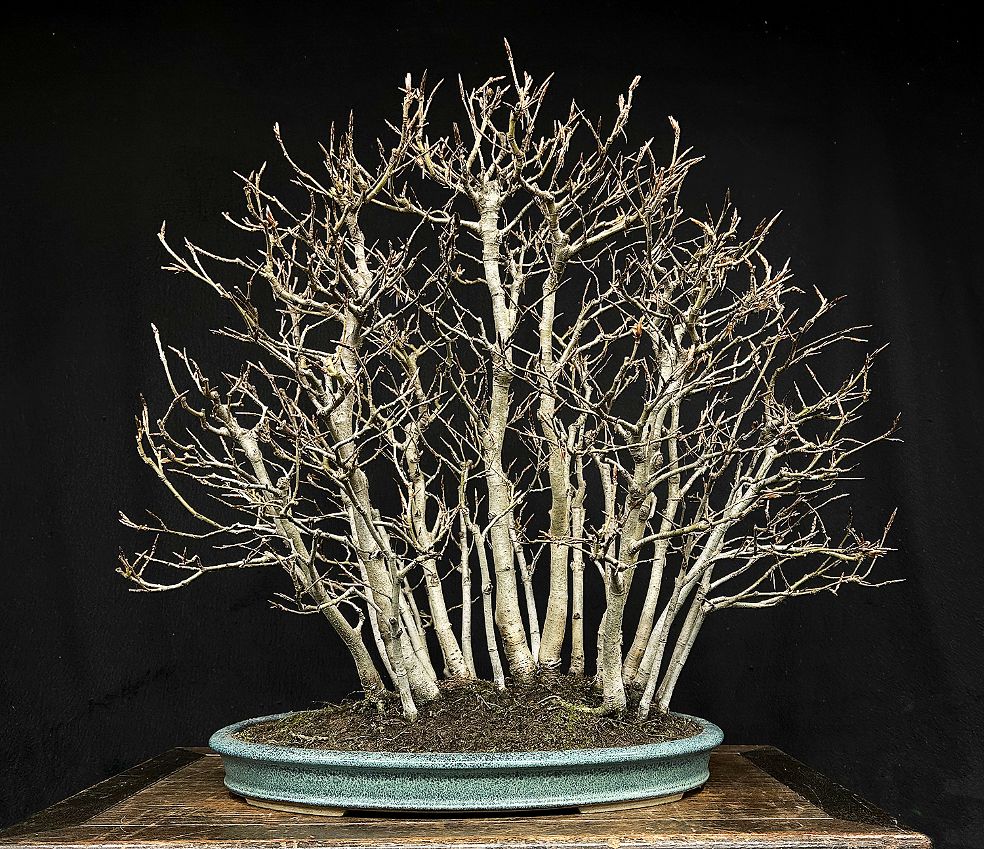
The Trident maple is one of the best deciduous species for forest and single trunk bonsai. The small, dark green trilobed leaves turn yellow and orange in autumn. They grow quickly in trunk caliber yet thin, delicate twigs are attractive in winter when the structural beauty of the bonsai can be enjoyed. The unique ability of Trident maple roots to grow together and “web” makes it the finest species for root over rock style. New shoots grow quickly from old wood after drastic pruning. Seedlings have light branching and excellent fibrous roots. Develops superb surface roots! Picture depicts a mature bonsai forest, ceramic pot not included.


10 TREE BAREROOT SEEDLING BUNDLE- 6-18” TALL– $35 FREE SHIPPING


10 TREE SEEDLING BUNDLE-– $35 FREE SHIPPING
Japanese Red Pine Bundle

Japanese Red Pine Bundle

Japanese Red Pine Bundle
Click to enlarge image(s)
Japanese Red Pine
Pinus densiflora


Japanese red pine are excellent but a difficult to find species for bonsai training. The bark forms thick sections which add the appearance of age quickly. The trunks are reddish as are the buds. The light green needles, thick bark and growth characteristics are different from Japanese black pine. Japanese red pine are delicate in appearance, but very easy to grow and are very winter hardy. Short needles are easily developed. The unbranched seedlings can be easily shaped into any style, especially shohin bonsai. Easy to grow and winter hardy! Picture depicts a mature bonsai group planting, ceramic pot not included.


5 TREE BAREROOT SEEDLING BUNDLE- 4-8” TALL– $20 FREE SHIPPING
Porcelain Berry

Porcelain Berry

Porcelain Berry
Click to enlarge image(s)
Porcelain Berry
Ampelopsis brevipedunculata

The Porcelain berry is a flakey bark vigorous vining plant with stunning multi colored (blue, purple, cream and turquoise) grape-like berries. They are easily trained as a cascade style bonsai. They must be trimmed back in spring to encourage new branching and repeatedly until August when the berries begin to mature and change color. As the Porcelain berry bonsai matures it can be planted in a small container since the foliage reduces nicely for small and shoin bonsai. Enjoy an unusual bonsai with glorious multi-colored berries in late summer and early autumn.


PRE-BONSAI– from 4" pot 8-10” TALL– $20 FREE SHIPPING
Little Gem Spruce

Little Gem Spruce

Little Gem Spruce
Click to enlarge image(s)
Little Gem Dwarf Spruce’
Picea abies 'Little Gem'

The Little Gem dwarf spruce is truly a conifer “gem” for bonsai training. The tiny rich green needles are natural and even get smaller with continual pinching. It is a slow grower and only requires pinching after the shape is established. Winter-hardy, Little Gem dwarf spruce is easily trained into shohin bonsai. It is difficult to find small specimens which can be trained mostly by trimming and pinching. These potted and established cuttings are small, but have excellent root systems, which are also ideal for clinging-to-a rock style bonsai. The evergreen needles allow Little Gem dwarf spruce to be enjoyed all year around. Picture depicts a mature bonsai, ceramic pot not included!
 

3 Plants FROM 2.5" POTS 2-4" TALL – $20.00 FREE SHIPPING 
Sargent Juniper

Sargent Juniper

Sargent Juniper
Click to enlarge image(s)
Sargent Juniper 
Juniperus chinensis 'Shimpaku' 
Sargent juniper or Shimpaku is a favorite among all bonsai artists from beginners to master artists. The evergreen deep green foliage is quick to develop and easy to maintain by pinching. Supple branches can withstand quite of bit of bending into extreme as well as delicate shapes. These specimens started from cuttings have been container grown to ensure a healthy complete root system. The trunks have movement which will make shaping easy and a pleasure to work with. Sargent juniper will quickly develop into fine bonsai.  These plants are excellent for workshops 


PRE-BONSAI– From 1 Gal. 1o-14” TALL– $45 FREE SHIPPING
Amethyst Falls Wisteria

Amethyst Falls Wisteria

Amethyst Falls Wisteria
Click to enlarge image(s)
Amethyst Falls Wisteria
Wisteria frutescens ‘Amethyst Falls’
Amethyst Falls wisteria is a select cultivar of an American native species. This Wisteria is not as invasive as the common Chinese wisteria and blossoms throughout the summer, not only in spring. The flower buds first appear as an attractive grape-like cluster that open on short racemes with violet/blue flowers that form on very young plants. Plants are cutting grown to avoid ugly graft unions and have bloomed repeatedly throughout most of the summer. Extend your Wisteria blossoming bonsai throughout the summer! Picture depicts a trained wisteria bonsai, ceramic pot not included.


PRE-BONSAI– FROM 1 GAL.10-14” TALL– $30. FREE SHIPPING
Dwarf Wisteria

Dwarf Wisteria

Dwarf Wisteria
Click to enlarge image(s)

Millettia japonica

Unlike the rampant and invasive Chinese and Japanese wisterias, the Dwarf wisteria is a dainty twiggy shrub. Although not a true Wisteria, this species has tiny, narrow green and bronze leaflets which are especially attractive in summer. The Dwarf wisteria rarely flowers, however it is grown for the beautiful foliage. The diminutive size of Dwarf wisteria makes it an ideal species for shohin bonsai. They especially look good in a cream glazed container. This species is very rare and difficult to find. A true gem of the bonsai world! Picture depict trained Bonsai specimen, ceramic pot not included.


PRE-BONSAI – FROM 4" POT  3-8” TALL– $40 FREE SHIPPING
Early Amethyst Beautyberry

Early Amethyst Beautyberry

Early Amethyst Beautyberry
Click to enlarge image(s)
Early Amethyst Beautyberry
Callicarpa dichotoma 'Early Amethyst'  


Imagine a bonsai full of bright purple berries in early autumn which last into winter! The Beautyberry is often grown for shohin bonsai because the small berries are in proportion to the small tree. The small purplish-lavender summer flowers are followed by massive quantities of fruit which grow on the long slender arching branches. The fruit of Early Amethyst beautyberry begins to change color in early September. 

Branched Plant from 4" pot -4-6" Tall- $15.00 FREE SHIPPING

Momo No Haru Satsuki Azalea

Momo No Haru Satsuki Azalea

Momo No Haru Satsuki Azalea
Click to enlarge image(s)
Momo No Haru Satsuki Azalea
Rhododendron indidum 'Momo No Haru' 
Momo No Haru satsuki azalea is a compact growing cultivar of Satsuki azalea which has abundant clusters of lavendar-pink funnel shaped flowers in late spring. The 1.5” flowers last for weeks and occassionally will again sporatically blossom in autumn. The dark green foliage is attractive and presents a spectacular stage for the bright flowers. These cutting grown plants are easy to grow and train and are ready for training so the flowers can be enjoyed. Trunks are approximately one-half inch in diameter and can still be shaped. Add a bonsai to your collection which will add color in late spring and beauty throughout the year!

PRE-BONSAI– FROM 1 GAL.8-12” TALL– $25.00 FREE SHIPPING
Chinese Quince

Chinese Quince

Chinese Quince
Click to enlarge image(s)
Chinese Quince
Pseudocydonia sinensis
The Chinese Quince, “King of Fruiting Bonsai” is a distinctive species because of its attractive pink flowers in spring and large fruit during the summer. In autumn the fragrant fruit mature to a golden yellow and the foliage turns orange and red. Irregular patches of colorful bark peel away during the growing season which can be best appreciated in the winter. All plants are seedlings from one of our bonsai and were grown in small pots and now have excellent roots. The thin trunks can easily be wired into interesting shapes or created into a forest bonsai. Chinese quince has it all– flowers, fruit, bark and autumn color. Picture depicts a trained Chinese quince bonsai, ceramic pot not included.


5 Unbranched Seedling Bundle- 6-12" Tall - $25.00 FREE SHIPPING
Dawn Japanese Flowering Apricot

Dawn Japanese Flowering Apricot

Dawn Japanese Flowering Apricot
Click to enlarge image(s)
Dawn Japanese Flowering Apricot
Prunus mume ‘Dawn’ (Masashi Nono)

Fragrant rich clear pink with ruffle double small flowers.

Japanese flowering apricots have been appreciated in Japan and China for centuries in gardens, flower arrangements, art and container culture. It is often misnamed “Flowering plum”, however, botanically it is a Japanese flowering apricot. The beautiful flowers are very popular in Oriental art. This small tree blossoms in the period of late winter to early spring when other species are dormant and many of the cultivars are extremely fragrant. There are over 250 cultivars of Japanese flowering apricots in Japan selected for growth habit and blossom color and form. In Japan, the Japanese flowering apricot is a symbol for spring and a very popular bonsai subject. Plants are small well rooted unbranched cuttings to avoid unattractive grafts and should grow over 15 inches with branching during the first year. Start training a traditional classical bonsai species.  Limited Supply! Photo depicts developed red Japanese flowering apricot bonsai, ceramic container not included.


3 UNBRANCHED WELL ROOTED CUTTINGS - 3-6” Tall– $20.00 FREE SHIPPING 


3 Dawn CUTTINGS - 3-6” Tall– $20 FREE SHIPPING. Limited Supply 
Hana Kami Japanese Flowering Apricot

Hana Kami Japanese Flowering Apricot

Hana Kami Japanese Flowering Apricot
Click to enlarge image(s)
Hana Kami Japanese Flowering Apricot
Prunus mume ‘Hana Kami’ 

 Light pink, semi-double early blossoms.

Japanese flowering apricots have been appreciated in Japan and China for centuries in gardens, flower arrangements, art and container culture. It is often misnamed “Flowering plum”, however, botanically it is a Japanese flowering apricot. The beautiful flowers are very popular in Oriental art. This small tree blossoms in the period of late winter to early spring when other species are dormant and many of the cultivars are extremely fragrant. There are over 250 cultivars of Japanese flowering apricots in Japan selected for growth habit and blossom color and form. In Japan, the Japanese flowering apricot is a symbol for spring and a very popular bonsai subject. Plants are small well rooted unbranched cuttings to avoid unattractive grafts and should grow over 15 inches with branching during the first year. Start training a traditional classical bonsai species.  Limited Supply! Photo depicts developed red Japanese flowering apricot bonsai, ceramic container not included.


3 UNBRANCHED WELL ROOTED CUTTINGS - 3-6”– $20.00 FREE SHIPPING 


3 Hana Kami CUTTINGS - 3-6”– $20 FREE SHIPPING. Limited Supply 
Hokkai Bungo Japanese Flowering Apricot

Hokkai Bungo Japanese Flowering Apricot

Hokkai Bungo Japanese Flowering Apricot
Click to enlarge image(s)
Hokkai Bungo Japanese Flowering Apricot
Prunus mume ‘Hokkai Bungo’

 Fragrant double dark pink to reddish blossoms with sweet cinnamon like scent.

Japanese flowering apricots have been appreciated in Japan and China for centuries in gardens, flower arrangements, art and container culture. It is often misnamed “Flowering plum”, however, botanically it is a Japanese flowering apricot. The beautiful flowers are very popular in Oriental art. This small tree blossoms in the period of late winter to early spring when other species are dormant and many of the cultivars are extremely fragrant. There are over 250 cultivars of Japanese flowering apricots in Japan selected for growth habit and blossom color and form. In Japan, the Japanese flowering apricot is a symbol for spring and a very popular bonsai subject. Plants are small well rooted unbranched cuttings to avoid unattractive grafts and should grow over 15 inches with branching during the first year. Start training a traditional classical bonsai species. Very Limited Supply! Photo depicts developed red Japanese flowering apricot bonsai, ceramic container not included.


3 UNBRANCHED WELL ROOTED CUTTINGS - 3-6”– $20.00 FREE SHIPPING 


3 Hokkai Bungo CUTTINGS - 3-6”– $20 FREE SHIPPING 
Kobai Japanese Flowering Apricot

Kobai Japanese Flowering Apricot

Kobai Japanese Flowering Apricot
Click to enlarge image(s)
Kobai Japanese Flowering Apricot
Prunus mume ‘kobai'

 Fragrant, semi-double red flowers

Japanese flowering apricots have been appreciated in Japan and China for centuries in gardens, flower arrangements, art and container culture. It is often misnamed “Flowering plum”, however, botanically it is a Japanese flowering apricot. The beautiful flowers are very popular in Oriental art. This small tree blossoms in the period of late winter to early spring when other species are dormant and many of the cultivars are extremely fragrant. There are over 250 cultivars of Japanese flowering apricots in Japan selected for growth habit and blossom color and form. In Japan, the Japanese flowering apricot is a symbol for spring and a very popular bonsai subject. Plants are small well rooted unbranched cuttings to avoid unattractive grafts and should grow over 15 inches with branching during the first year. Start training a traditional classical bonsai species.  Limited Supply! Photo depicts developed red Japanese flowering apricot bonsai, ceramic container not included.


3 UNBRANCHED WELL ROOTED CUTTINGS - 3-6”– $20.00 FREE SHIPPING 


3 KOBAI CUTTINGS - 3-6”– $20 FREE SHIPPING. Limited Supply 
NIcholas Japanese Flowering Apricot

NIcholas Japanese Flowering Apricot

NIcholas Japanese Flowering Apricot
Click to enlarge image(s)
Nicholas Japanese Flowering Apricot
Prunus mume ‘Nicholas'

Semi-double cotton candy pink flowers.

Japanese flowering apricots have been appreciated in Japan and China for centuries in gardens, flower arrangements, art and container culture. It is often misnamed “Flowering plum”, however, botanically it is a Japanese flowering apricot. The beautiful flowers are very popular in Oriental art. This small tree blossoms in the period of late winter to early spring when other species are dormant and many of the cultivars are extremely fragrant. There are over 250 cultivars of Japanese flowering apricots in Japan selected for growth habit and blossom color and form. In Japan, the Japanese flowering apricot is a symbol for spring and a very popular bonsai subject. Plants are small well rooted unbranched cuttings to avoid unattractive grafts and should grow over 15 inches with branching during the first year. Start training a traditional classical bonsai species. Very Limited Supply! Photo depicts developed red Japanese flowering apricot bonsai, ceramic container not included.

3 UNBRANCHED WELL ROOTED CUTTINGS - 3-6”– $20.00 FREE SHIPPING 


3 NICHOLAS CUTTINGS - 3-6”– $20 FREE SHIPPING 
Omoi No Mama Japanese Flowering Apricot

Omoi No Mama Japanese Flowering Apricot

Omoi No Mama Japanese Flowering Apricot
Click to enlarge image(s)
Prunus mume ‘Omoi No Mama’

Semi-double light pink to white and sometimes yellow green bi-colored blossoms.

Japanese flowering apricots have been appreciated in Japan and China for centuries in gardens, flower arrangements, art and container culture. It is often misnamed “Flowering plum”, however, botanically it is a Japanese flowering apricot. The beautiful flowers are very popular in Oriental art. This small tree blossoms in the period of late winter to early spring when other species are dormant and many of the cultivars are extremely fragrant. There are over 250 cultivars of Japanese flowering apricots in Japan selected for growth habit and blossom color and form. In Japan, the Japanese flowering apricot is a symbol for spring and a very popular bonsai subject. Plants are small well rooted unbranched cuttings to avoid unattractive grafts and should grow over 15 inches with branching during the first year. Start training a traditional classical bonsai species. Very Limited Supply! Photo depicts developed red Japanese flowering apricot bonsai, ceramic container not included.


3 UNBRANCHED WELL ROOTED CUTTINGS - 3-6”– $20.00 FREE SHIPPING

3 Omoi No Mama CUTTINGS - 3-6”– $20.00 FREE SHIPPING
Large Japanese Flowering Apricot

Large Japanese Flowering Apricot

Large Japanese Flowering Apricot
Click to enlarge image(s)
Large Japanese Flowering Apricot

A SMALL NUMBER OF LARGER OLDER NAMED CULTIVARS OF JAPANESE FLOWERING APRICOTS FROM 4" POTS ARE ALSO AVAILABLE. WE WILL CHOSE ONE OF THE FIVE SELECT CULTIVARS FOR YOU. LIMITED SUPPLY.

Japanese flowering apricots have been appreciated in Japan and China for centuries in gardens, flower arrangements, art and container culture. It is often misnamed “Flowering plum”, however, botanically it is a Japanese flowering apricot. The beautiful flowers are very popular in Oriental art. This small tree blossoms in the period of late winter to early spring when other species are dormant and many of the cultivars are extremely fragrant. There are over 250 cultivars of Japanese flowering apricots in Japan selected for growth habit and blossom color and form. In Japan, the Japanese flowering apricot is a symbol for spring and a very popular bonsai subject. Plants are small well rooted unbranched cuttings to avoid unattractive grafts and should grow over 15 inches with branching during the first year. Start training a traditional classical bonsai species.  Limited Supply! Photo depicts developed red Japanese flowering apricot bonsai, ceramic container not included.


1 UNBRANCHED PLANT FROM 4' POTS 6-12” Tall– $20 FREE SHIPPING. Limited Supply 
Pink Storm Double Take Japanese Flowering Quince

Pink Storm Double Take Japanese Flowering Quince

Pink Storm Double Take Japanese Flowering Quince
Click to enlarge image(s)
Pink Storm Double Take Japanese Flowering Quince
Chaenomeles Speciosa 'Pink Storm' 


Fully double, 2 inch, intense deep pink flowers that look like camelias.

The center of each blossom have yellow centers with layers of overlapping petals. Flowers have 29-40 petals and the opening buds look like small sweetheart roses. A striking new cultivar.


Japanese flowering quince are one of the most colorful spring blossoming species trained for bonsai. Appreciated for their long lasting colorful blossoms they are a popular species displayed in spring shows. Japanese flowering quince are often trained in the multiple trunk or clump style because of their growth habit, but make stunning single trunk bonsai as well. There are many different cultivars of Japanese flowering quince which have been selected for their flowers and growth habits. They are easy to cultivate and train into striking bonsai. Japanese flowering quince look excellent in glazed containers which will contrast well with the bright flowers.


The Double Taketm series of Japanese flowering quince were recently developed and released in 2010 by Dr. Thomas Ranney and his team at the North Carolina State University. The large double flowers create magnificent color displays in early spring, occasionally they will repeat blossoming. This series of Japanese flowering quince are thornless and deer resistant. Since they are heat tolerant they should grow well in warmer areas of the country. 


The Double Taketm Japanese flowering quince series have been selected as a Proven Winner® plant which are unsurpassed in terms of flowering, growth habit, disease resistance and garden performance. Prices include the royalty for these patented plants which are established and have been grown in 1 quart containers. They are ready for shaping and will blossom in spring.


Branched Plant From 1 Qt. pot - 6-12”–  $18 Free Shipping


Branched Plant From 1 Qt. pot 6-12" Tall- $18.00 FREE SHIPPING 
Scarlet Storm Double Take Japanese Flowering Quince

Scarlet Storm Double Take Japanese Flowering Quince

Scarlet Storm Double Take Japanese Flowering Quince
Click to enlarge image(s)
Scarlet Storm Double Take Japanese Flowering Quince
Chaenomeles Speciosa 'Scarlet Storm' 


A flurry of early spring is created with the bright red, velvety, double flowers with yellow centers. Each blossom has17 to 25 petals and can be up to 2.5 inches in diameter. Unlike other Japanese flowering quince, Scarlet Storm tends to have flowers all the way to the branch tips.


Japanese flowering quince are one of the most colorful spring blossoming species trained for bonsai. Appreciated for their long lasting colorful blossoms they are a popular species displayed in spring shows. Japanese flowering quince are often trained in the multiple trunk or clump style because of their growth habit, but make stunning single trunk bonsai as well. There are many different cultivars of Japanese flowering quince which have been selected for their flowers and growth habits. They are easy to cultivate and train into striking bonsai. Japanese flowering quince look excellent in glazed containers which will contrast well with the bright flowers.


The Double Taketm series of Japanese flowering quince were recently developed and released in 2010 by Dr. Thomas Ranney and his team at the North Carolina State University. The large double flowers create magnificent color displays in early spring, occasionally they will repeat blossoming. This series of Japanese flowering quince are thornless and deer resistant. Since they are heat tolerant they should grow well in warmer areas of the country. 


The Double Taketm Japanese flowering quince series have been selected as a Proven Winner® plant which are unsurpassed in terms of flowering, growth habit, disease resistance and garden performance. Prices include the royalty for these patented plants which are established and have been grown in 1 quart containers. They are ready for shaping and will blossom in spring.


SCARLET STORM Branched Plant From 1 Qt. pot 6-12" Tall- $18.00 FREE SHIPPING 
Double Take Japanese Flowering Quince Collection

Double Take Japanese Flowering Quince Collection

Double Take Japanese Flowering Quince Collection
Click to enlarge image(s)
Double Take Japanese Flowering Quince Collection
Chaenomeles Speciosa 'Scarlet Storm'  and  'Pink Storm'

'Scarlet Storm'

A flurry of early spring is created with the bright red, velvety, double flowers with yellow centers. Each blossom has17 to 25 petals and can be up to 2.5 inches in diameter. Unlike other Japanese flowering quince, Scarlet Storm tends to have flowers all the way to the branch tips.

'Pink Storm'

Fully double, 2 inch, intense deep pink flowers that look like camelias.

The center of each blossom have yellow centers with layers of overlapping petals. Flowers have 29-40 petals and the opening buds look like small sweetheart roses. A striking new cultivar.


Japanese flowering quince are one of the most colorful spring blossoming species trained for bonsai. Appreciated for their long lasting colorful blossoms they are a popular species displayed in spring shows. Japanese flowering quince are often trained in the multiple trunk or clump style because of their growth habit, but make stunning single trunk bonsai as well. There are many different cultivars of Japanese flowering quince which have been selected for their flowers and growth habits. They are easy to cultivate and train into striking bonsai. Japanese flowering quince look excellent in glazed containers which will contrast well with the bright flowers.


The Double Taketm series of Japanese flowering quince were recently developed and released in 2010 by Dr. Thomas Ranney and his team at the North Carolina State University. The large double flowers create magnificent color displays in early spring, occasionally they will repeat blossoming. This series of Japanese flowering quince are thornless and deer resistant. Since they are heat tolerant they should grow well in warmer areas of the country. 


The Double Taketm Japanese flowering quince series have been selected as a Proven Winner® plant which are unsurpassed in terms of flowering, growth habit, disease resistance and garden performance. Prices include the royalty for these patented plants which are established and have been grown in 1 quart containers. They are ready for shaping and will blossom in spring.


ONE OF EACH  DOUBLE TAKE SCARLET STORM AND PINK STORM
2 Branched Plant From 1 Qt. pot 6-12" Tall- $30.00 FREE SHIPPING 
Bonsai Training Container

Bonsai Training Container

Bonsai Training Container
Click to enlarge image(s)
These brown plastic oval training containers with multiple knock out drainage holes are great for forests or single trees and economical for classes and workshops. The container can also be used as a water basin or saucer if the drainage holes are intact. One or two seedling bundles will generally fit well in this size container. A great training pot

Container size: 17” x 12” x 2” deep

$20.00 FREE SHIPPING
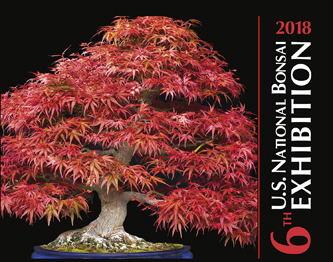
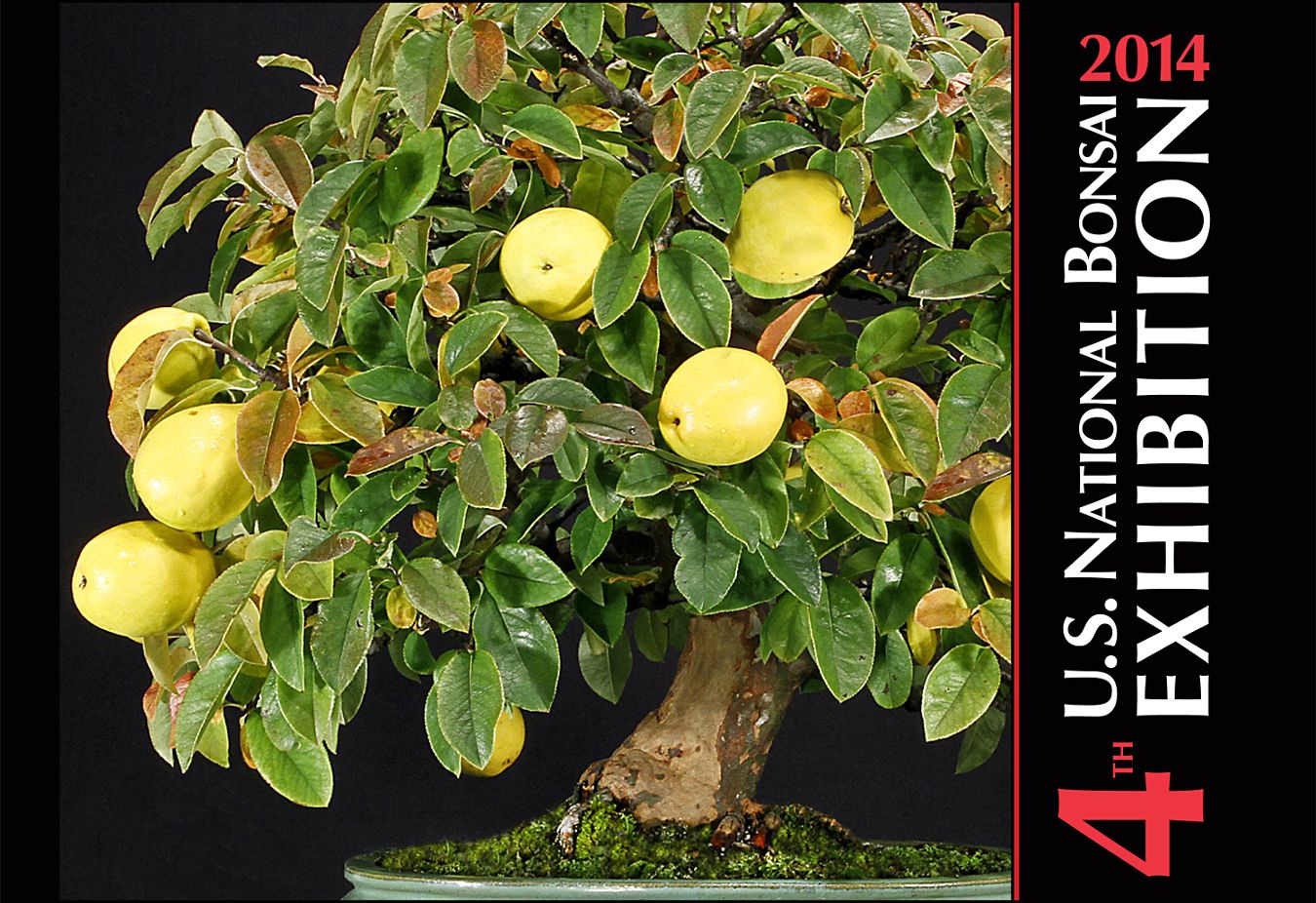
1ST U.S. National Bonsai Exhibition Commemorative Album
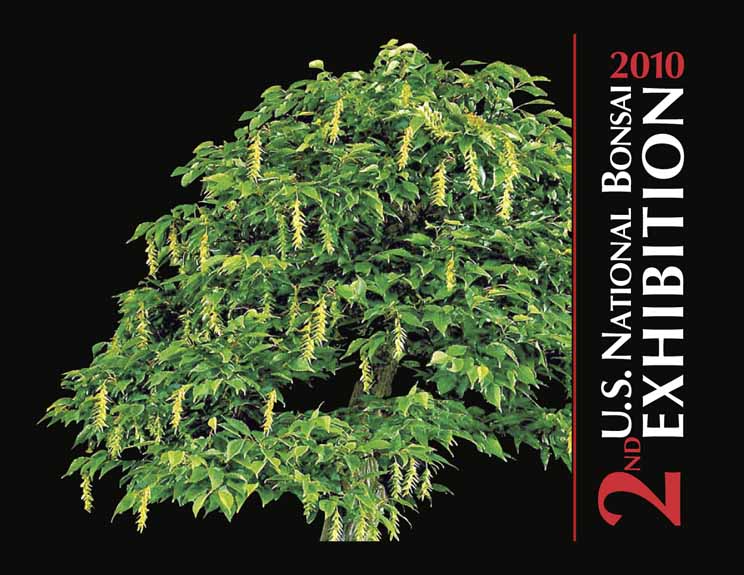
1ST U.S. National Bonsai Exhibition Commemorative Album

See and study194 of the finest bonsai masterpieces in the United States as displayed in the 1St U.S. National Bonsai Exhibition on October 11-12, 2008 in Rochester, New York. Magnificent full color photos of each displayed bonsai as well as candid views and two demonstrations. Relive memories from this historic event! STILL AVAILABLE

192 FULL COLOR PAGES
11 X 8.5”, HARDCOVER

$65 US POSTAGE $5, FOREIGN $15

THE WORLD OF BONSAI ARTIST KUNIO KOBAYASHI

THE WORLD OF BONSAI ARTIST KUNIO KOBAYASHI

New book illustrating the beauty of masterpiece bonsai Kunio Kobayashi has created and refined. Featuring outstanding and distinctive bonsai on display in the Sunka-en Bonsai Museum tokonoma as well as views of the garden.

Bonsai is a natural beauty which develops and matures over time. The aesthetics of bonsai include elegance, refinement, wabi-sabi and the infinite nature of the universe. These can be seen in the Keido School of Display, the study of which inspired me to create both the tea house “Mukyu-an” and the Shunka-en Bonsai Museum. I have been involved in the bonsai world for over 33 years now and have created this series of books containing a compliation of the bonsai, containers, suiseki and tables which I have had the opportunity to work with. This is an important part of my life long ambition to spread the beauty of Japanese bonsai to the rest of the world. I hope that bonsai enthusiasts around the world enjoy and learn from this book
Kunio Kobayashi

Hardcover 320 All Color Pages 12”x9” Japanese & English Text
UK/Europe Distributor: Peter Warren, saruyama@gmail.com


Autographed copies $170.00 postpaid U.S. and Foreign
2009 83th Kokufu Bonsai Exhibition Album (Japanese National Bonsai Exhibition)

2009 83th Kokufu Bonsai Exhibition Album (Japanese National Bonsai Exhibition)

2009 83th Kokufu Bonsai Exhibition Album (Japanese National Bonsai Exhibition)
Click to enlarge image(s)
Japanese text, English language photos and botanical name.
Over 250 Bonsai masterpieces in full page color photos (286 pages). A great study reference! Shipping: US postpaid / foreign inquire Available!
$150.00
Back to Top
Copyright © 2011, The International Bonsai Arboretum. World Rights Reserved.
No content may be linked, used or reproduced without expressed, written consent.